Montenegro is a country of roughly 620,000 inhabitants on the Adriatic coast, sharing borders with Croatia, Bosnia and Herzegovina, Serbia, Kosovo, and Albania. For most of the post-communist period it has been the quieter neighbour to Croatia, smaller, less exposed to mass tourism, and with a more concentrated high-net-worth buyer pool. Measured per capita, international property capital now enters the market at a pace that outruns several of its more famous Mediterranean peers.
Small country, strategic market
The reasons are structural, not fashion. A euro-denominated economy without the macroeconomic complications of EU membership. An EU accession path that the European Commission has publicly signalled is on track toward 2028. A coastline that is short, roughly 295 kilometres, but relatively undeveloped compared to equivalent stretches of Croatia or Italy. And a legal framework that permits foreign ownership of apartments and houses in personal names, a meaningful practical advantage over markets that require local corporate vehicles.
This guide sets out the investment case as we see it at Blackmont Group. It is written for clients evaluating entry into the market for the first time, not for sentimental visitors. We set aside the travel-magazine framing and focus on the structural features that shape risk and return.
Where Montenegro sits, geographically and politically
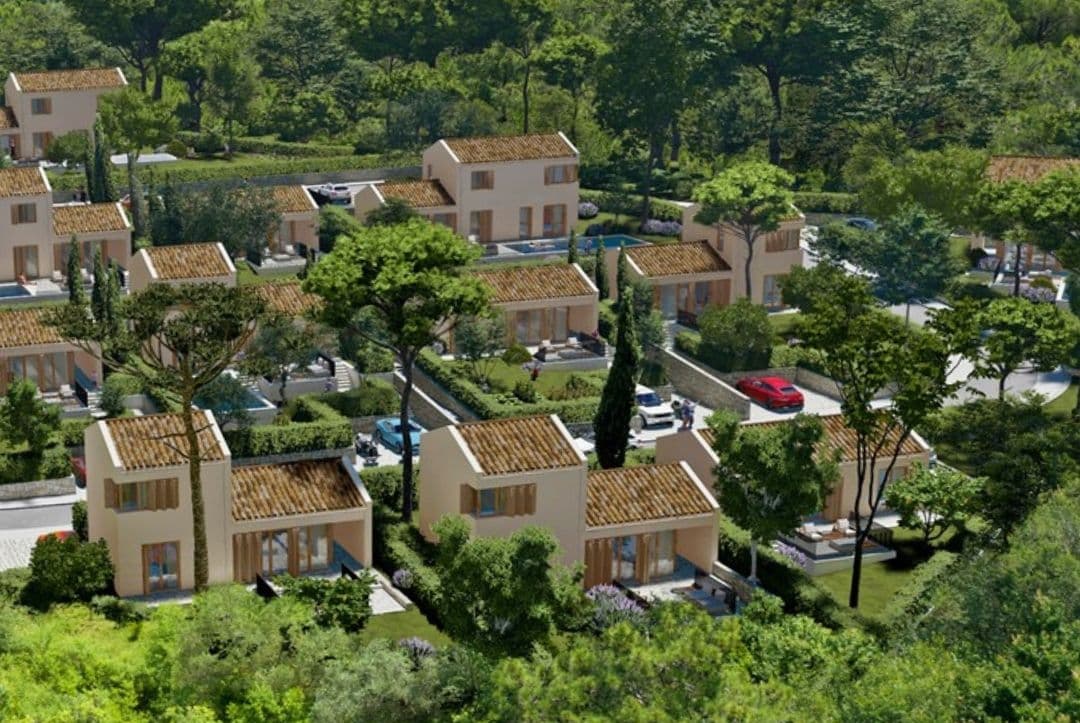
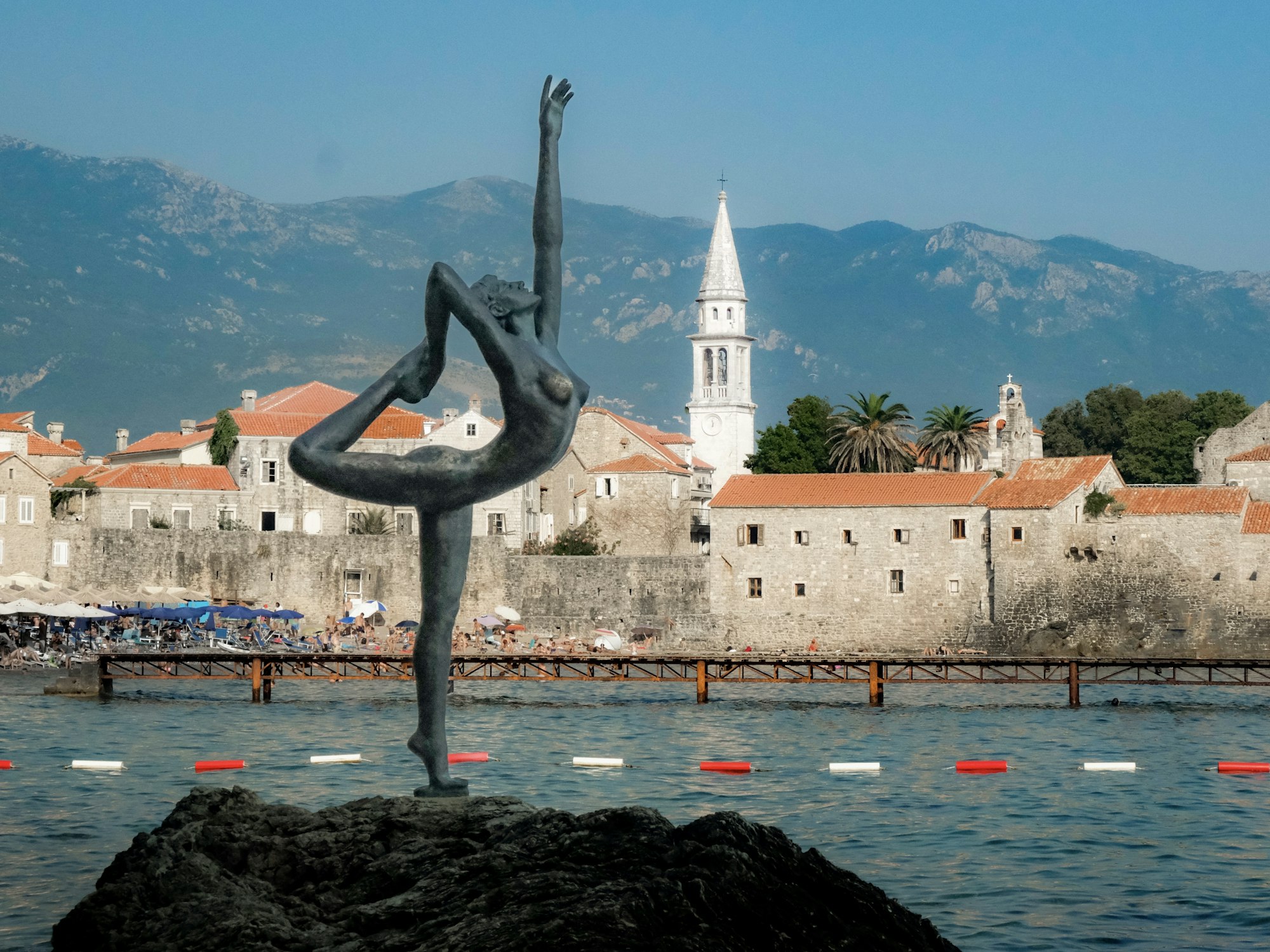
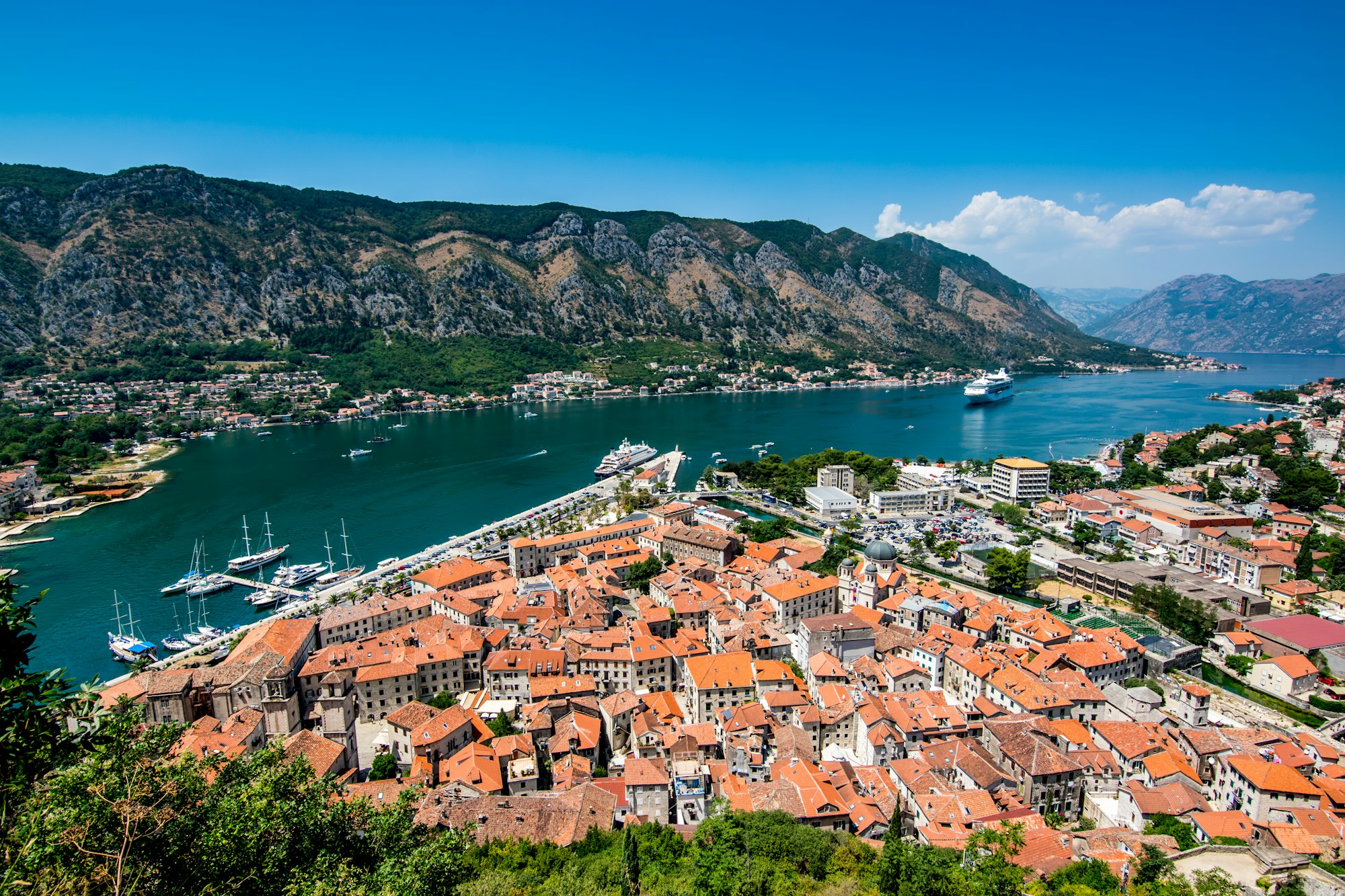
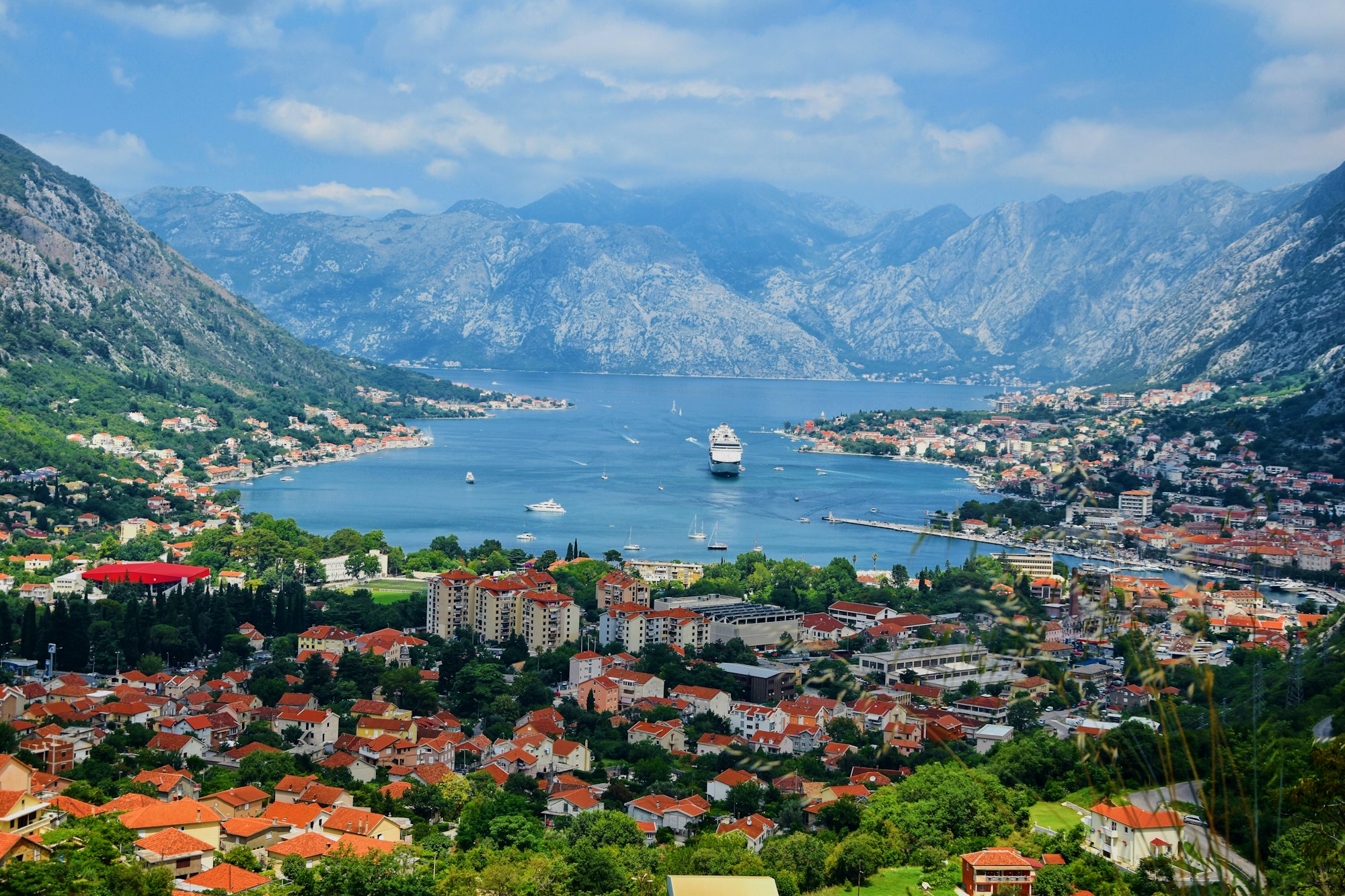
Montenegro's coast runs from Herceg Novi in the northwest to Ulcinj on the Albanian border, with the Bay of Kotor, one of Europe's deepest natural fjords, anchoring the upper third. Tivat's yachting infrastructure at Porto Montenegro, Luštica Bay's master-planned resort, and the historic town of Kotor are clustered inside the bay. South of Tivat the coast opens onto the Budva Riviera, Sveti Stefan, and the more affordable stretches around Bar and Petrovac.
Politically, Montenegro has been independent since 2006, a NATO member since 2017, and an EU candidate since 2010. In late 2024 the European Commission confirmed Montenegro as the frontrunner among the Western Balkan candidates, with 2028 mentioned publicly as a realistic accession target. For property investors, the practical question is not whether full membership lands precisely in 2028 but whether the institutional trajectory continues, and on current evidence it does.
Euro-ised, tourism-led, EU-tracked
Montenegro uses the euro as its de facto currency despite not being a eurozone member, a historical anomaly stemming from its transition out of Yugoslavia. The practical consequence is that property, contracts, and financing are denominated in euros without the currency convertibility risk that still complicates investment in Serbia, North Macedonia, or Turkey. For a non-EU, non-eurozone economy to offer this is unusual.
Tourism is the dominant sector. Arrivals crossed 2.7 million in 2024, over four times the resident population, with average length of stay and per-visitor spend rising each year as the market repositions away from Russian and regional budget travel toward Western European, Middle Eastern, and North American high-spend segments. Infrastructure spend has followed: airport expansions at Tivat and Podgorica, the Bar–Boljare motorway, a new marina at Porto Novi, and a substantial pipeline of branded-residence developments (One&Only, Chedi, Mandarin Oriental, Aman Sveti Stefan) that anchor Montenegro's luxury positioning.
The practical lifestyle case
Montenegro sits at a latitude slightly south of Rome, with roughly 240 sunny days per year on the coast and a growing season that stretches from March through November. The Mediterranean climate is milder than coastal Croatia in winter and noticeably drier than the Italian Adriatic. Infrastructure is modern where it matters, fibre broadband, clean water, private healthcare, while remaining under-developed in ways that some clients prize: no crowded highways along the coast, limited chain retail outside of Budva and Tivat, and a local pace that is closer to 1990s Porto Cervo than to contemporary Croatia.
Pricing relative to Mediterranean peers
Prime coastal pricing in Montenegro sits meaningfully below comparable assets in Croatia, Italy, or Greece. The table below is drawn from Blackmont's own transaction observation and broker-wire pricing through Q1 2026. We give ranges rather than single numbers because the market remains thin at the top and every serious listing transacts on its own facts.
For context, equivalent prime segments in Dubrovnik or Split trade in the €5,500–€9,000/m² band; prime Italian Riviera at €10,000–€18,000/m²; prime Côte d'Azur meaningfully higher still. Only the top of Porto Montenegro and a narrow band of Sveti Stefan / Luštica approach pan-Mediterranean prime pricing, and those segments are exactly where institutional capital is now landing.
Euro-denominated in a non-EU country
The euro-isation of the economy is doing unusual structural work. It removes the FX volatility that erodes returns in euro-measured terms elsewhere in the region; it imposes external price discipline on the central bank because there isn't one in any conventional sense; and it creates an inbound capital experience close to buying inside the eurozone, without the inheritance-tax and reporting regimes that come with EU membership. For many of our clients this combination, euro pricing, but outside Brussels' reporting perimeter for now, is the single most important line item in the investment case.
Capital appreciation, 2020–2026
Headline prices on the prime coastal segment have compounded at roughly 6–9% per annum over the last six years, with a sharp 2022–2023 repricing driven by a combination of post-pandemic relocation demand, Russian and Ukrainian arrivals, and inflation pass-through. 2024 and 2025 brought moderation, our read is that the market is now consolidating at a new, higher base rather than reverting to 2019 levels.
We do not publish a 2026 forecast. Our working view is that the prime segment continues to grow mid-single-digits and that the secondary segments (Bar, parts of Herceg Novi) have more room to run in percentage terms given their lower absolute base.
Rental demand and yield shape
Rental yields vary substantially by region and by operating model. Short-term rental, the Budva or Kotor apartment on a managed programme, typically nets 4–7% depending on season length, management fees, and capex reserves. Long-term rental in the same apartments is a different business: steadier, 3–4% net, with meaningfully lower operational risk. Bar yields more than Budva does on both measures because the entry price is lower while summer occupancy is similar.
We cover this in depth in our rental-yields briefing; for the purposes of the investment case here, the important point is that Montenegro is one of the few Mediterranean markets where a rental strategy can still plausibly underwrite a significant share of acquisition cost, something that stopped being true in most of coastal Italy and France during the 2010s.
A considered entry
The investment case for Montenegro is not a one-factor story. It is the overlap of four durable features, a euro-denominated economy, an EU-candidate legal trajectory, a short and partially undeveloped coastline, and a property market that still clears at prices substantially below its Mediterranean peers, set against a tourism base that is growing both in volume and in per-visitor quality.
For a client entering now, the right posture is patient rather than rushed. The best opportunities in any given year in Montenegro are not the ones on the broker wires, they are the off-market situations sourced through relationships, with counsel from someone who has visited the asset, verified the title, and underwritten the rental and exit assumptions. That is the brief we take on at Blackmont Group, and it is the conversation we are happy to begin.